【錯誤】美國國會「終於承認」有運動員於 2019 武漢軍運會疑似染上 COVID-19?
立場新聞 2021/07/14 18:36
 事實查核實驗室製圖
摘要
- Facebook專頁「通說2.0」發表帖文,宣稱美國國會「終於承認」2019年有參與武漢軍運會的美國軍方運動員感染疑似COVID-19的疾病。
- 然而有關的傳媒報導僅提到有美國國會議員提出要調查2019年軍運會期間武漢是否已開始出現COVID-19疫情,而非承認有運動員染病,「通說2.0」的帖文屬錯誤訊息。
- 網絡曾流傳2019年武漢軍運會期間有外籍運動員染病,武漢金銀潭醫院院長曾在媒體澄清這些運動員患上瘧疾,與COVID-19無關。
- 該帖文又指美國代表隊於武漢軍運會成績令人懷疑,翻查過往記錄,美國代表隊於過去三屆所得獎牌數字與2019年相若,「通說2.0」的質疑並無證據支持。
- 「通說2.0」帖文提及美國2019年夏季爆發的「電子煙肺病」EVALI,但宣稱「有關專家也沒有對其進行調查」,又指關於EVALI的消息「美國方面給壓下去了」。
- 美國CDC網站提到EVALI病例自2019年9月中開始回落,亦有研究顯示部分電子煙產品中的「維他命E醋酸酯」可能是引致EVALI的成因。「通說2.0」帖文完全未有提及以上資訊,屬誤導內容。
- 「通說2.0」的Facebook帖文有多處錯漏,部分內容與一些曾於網絡流傳、宣稱美國較早爆發COVID-19的傳言接近,並不可信。
背景
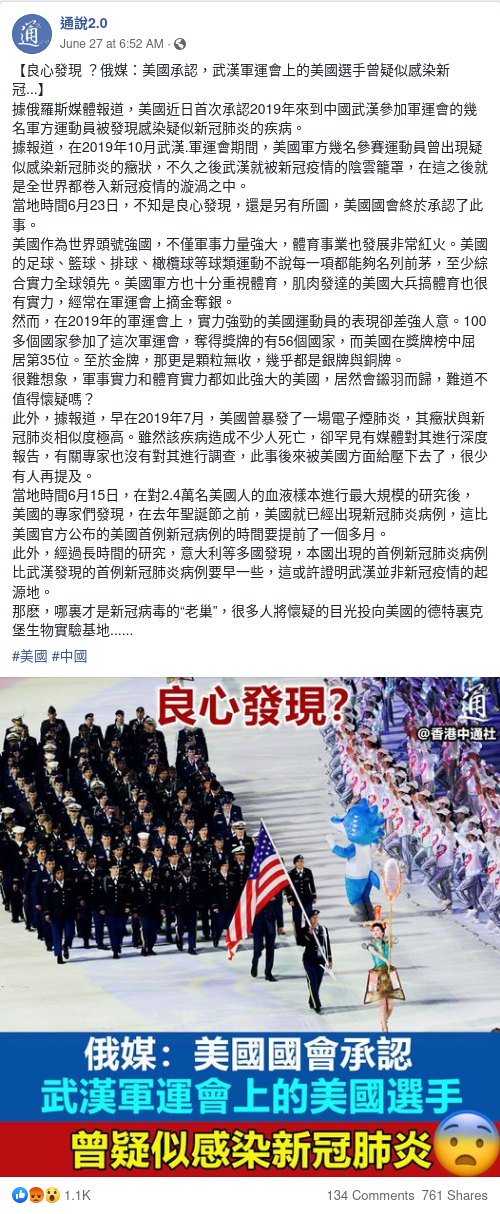
2021年6月27日,Facebook專頁「通說2.0」發表帖文〈良心發現 ?俄媒:美國承認,武漢軍運會上的美國選手曾疑似感染新冠...〉,稱據俄羅斯媒體報導「美國近日首次承認2019年來到中國武漢參加軍運會的幾名軍方運動員被發現感染疑似新冠肺炎的疾病」,然而未有提供資訊來源。帖文同時提及幾個與2019冠狀病毒病(COVID-19)有關的傳言及消息,表示武漢或非COVID-19的源頭,同樣未有提供資訊來源,最後更暗示與美國迪特里克堡(Fort Detrick,帖文譯作「德特裏克堡」)實驗室有關。[1]
截至7月14日,帖文有761次分享、134個留言及超過1,100個反應。
查證
美國國會議員提出調查武漢軍運會有否傳播病毒
「通說2.0」的帖文指在6月23日美國國會「終於承認」幾名參與2019年武漢世界軍人運動會(軍運會)的運動員曾出現COVID-19徵狀,但僅指來源為「俄羅斯媒體」而未有確實報導連結、媒體名稱等。
透過在Google搜尋相關字眼[2],可找到俄羅斯《衛星通訊社》(Sputnik)於6月24日的相關報導[3],報導引述《華盛頓郵報》(The Washington Post)一篇文章指部分曾參與2019年世界軍人運動會的運動員宣稱出現類似COVID-19的症狀、描述當時的武漢為「鬼城」,美國國會隨後開始調查此事。
《衛星通訊社》實際上引用了《華盛頓郵報》6月23日的評論文章,作者勞根(Josh Rogin)為該報專欄作家,專門負責外交政策及國家安全內容,同時是《CNN》的政治分析員。[4]該篇文章提到目前尚未有關於2019年武漢軍運會期間COVID-19是否已在傳播的調查,而美國有數名國會議員正要求美國政府展開調查。[5]
勞根在文中引述英國《鏡報》(The Mirror)等的報導表示,有來自法國、德國、意大利及盧森堡等國家、曾參與武漢軍運會的運動員公開宣稱他們相信當時在武漢感染了COVID-19,與此同時無人為這數千名運動員進行抗體測試,勞根認為無人嘗試了解武漢軍運會是否實質上首個COVID-19「超級傳播者」(superspreader)國際活動。[6]
文章又提到有兩名國會議員分別去信美國國防部部長及衛生及公共服務部部長,查詢參與武漢軍運會的美國運動員有否感染COVID-19一事,以了解COVID-19爆發初期的發展及時間線。[7]整篇文章並無提到任何證據顯示美國有運動員在軍運會期間感染COVID-19,而且作者認為假如發現更多相關證據,將會指向病毒早於2019年10月(即軍運會舉行期間)已經在武漢流傳。[8]
根據以上資料,美國有國會議員提出調查病毒是否在2019年10月的武漢流傳,並透過軍運會傳至世界各地,而非承認有運動員感染COVID-19。「通說2.0」在帖文宣稱「據俄羅斯媒體報道,美國近日首次承認2019年來到中國武漢參加軍運會的幾名軍方運動員被發現感染疑似新冠肺炎的疾病」的說法錯誤。
過往流傳的軍運會傳言
網絡上亦曾經流傳美軍透過武漢軍運會散播病毒的無根據傳聞,例如導演高志森曾分享台灣《東森財經新聞》節目《57爆新聞》其中一段內容,與「通說2.0」說法有部分呼應之處。[9]
「通說2.0」帖文提到「據報道,在2019年10月武漢軍運會期間,美國軍方幾名參賽運動員曾出現疑似感染新冠肺炎的癥(應為「徵」)狀」,未有提及消息來源,而上述《衛星通訊社》報導並無相關內容。與此同時,《57爆新聞》的傳言提及提及武漢軍運會期間有五名外籍——並無指明為美籍——軍人入院。《南方周末》於2020年2月23日的報導中引述金銀潭醫院院長張定宇表示五人均患上瘧疾,與COVID-19無關,反駁以上傳聞。[10]
此外,「通說2.0」指美國「經常在軍運會上摘金奪銀」,認為美國在2019年的武漢軍運會獎牌榜排第35位「很難想象」,並反問「難道不值得懷疑嗎」,說法跟上述《57爆新聞》提及的一項理據相似。
翻查主辦軍運會的國際軍事體育理事會(CISM)年報,美國於2019年武漢軍運會取得3銀5銅共8個獎牌,於獎牌榜排第35位。[11]至於再早之前的2015、2011及2007年三屆,分別取得6個、6個及10個獎牌[12-14],相比之下美國代表隊於2019年軍運會的表現未見異常。
「通說2.0」於帖文中指美國軍方參賽運動員曾出現疑似COVID-19的病徵,以及透過反問句指美國代表隊於2019年武漢軍運會的表現值得懷疑,均無證據支持。
電子煙肺病的相關傳言
「通說2.0」的帖文又指美國在2019年7月曾「暴(按︰應為「爆」)發了一場電子煙肺炎」,指其病徵與COVID-19相似,又宣稱「罕見有媒體對其進行深度報告,有關專家也沒有對其進行調查」,更認為是「被美國方面給壓下去了,很少有人再提及」。
與上述軍運會傳言類似,過往亦有關於美國2019年夏季爆發的美國「電子煙肺病」(e-cigarette, or vaping, product use-associated lung injury, EVALI)與COVID-19的傳言。[15]
美國疾病控制與預防中心(Centers for Disease Control and Prevention,CDC)網站上有關於EVALI的資訊,提及病例於2019年8月急劇增加,同年9月達到高峰。CDC又指維他命E醋酸酯(Vitamin E acetate)與是次爆發有緊密關連(strongly linked),同時未有足夠證據排除其他化學物的影響。[16]
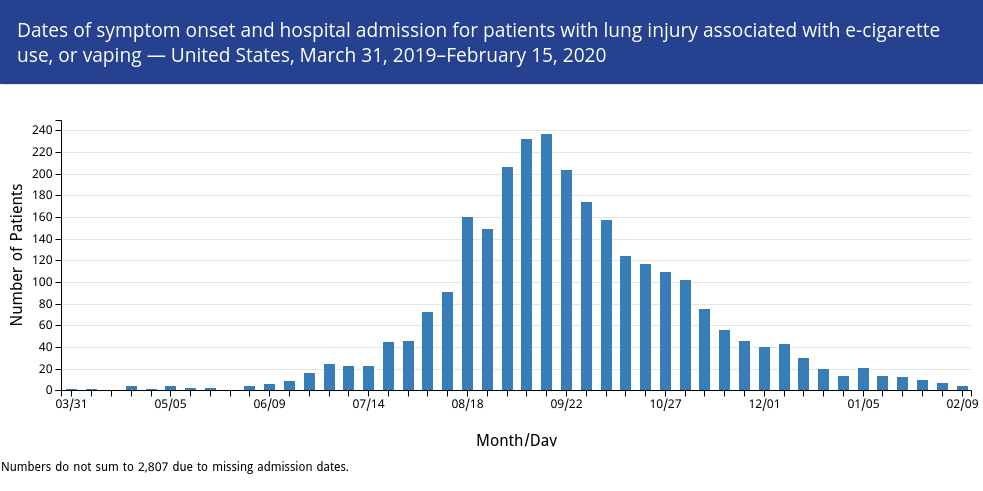
一項於2020年2月在《新英格蘭醫學雜誌》(The New England Journal of Medicine, NEJM)刊登的論文顯示了維他命E醋酸酯與EVALI的關聯。該項研究分析了51個EVALI病人的支氣管肺泡灌洗液(BAL fluid)樣本,並與99個並無患上EVALI的健康參與者的樣本對比。51個EVALI病人分別來自美國16個州,當中25人確診、26人列作可能個案;作為對照組的健康參與者中有18人使用電子煙、29人吸傳統煙、52人為非煙民。分析結果發現,51個EVALI病人當中,有48人的樣本檢測到維他命E醋酸(3個未檢測到的均為可能個案),而對照組所有樣本均沒有檢測到。
研究人員表示,他們未能找到其他可能引致EVALI的成分,而且有證據顯示2018年底至2019年初開始有非法電子煙產品加入維他命E醋酸酯,隨後變得流行,跟EVALI爆發的時間吻合,認為多項因素顯示維他命E醋酸酯可能會引致EVALI。[17]
雖然「通說2.0」的帖文並未明確宣稱EVALI與COVID-19有關,但同時未有提供準確及充分資訊,例如宣稱「有關專家也沒有對其進行調查」,屬誤導內容。
至於美國發現2019年12月下旬境內已有人感染COVID-19的研究,可參考Factcheck Lab早前的事實查核報告。[18]
結論
美國有國會議員提出要調查2019年武漢軍運會期間是否已出現COVID-19疫情,但「通說2.0」Facebook帖文宣稱美國國會「終於承認」2019年參與軍運會的美國運動員感染疑似COVID-19的疾病,屬錯誤內容。
此外,「通說2.0」指美國有運動員於武漢軍運會期間出現疑似COVID-19的病徵,又指美國「經常在軍運會上摘金奪銀」而質疑美國代表隊的成績,兩個說法均無證據支持。
最後,「通說2.0」提及美國2019年夏季出現的「電子煙肺病」EVALI時,錯誤宣稱「有關專家也沒有對其進行調查」,亦未有提及有研究發現EVALI的可能成因、病例於2019年9月中開始回落等資訊,屬誤導內容。
附錄︰「通說2.0」帖文原文
【良心發現 ?俄媒:美國承認,武漢軍運會上的美國選手曾疑似感染新冠...】


據俄羅斯媒體報道,美國近日首次承認2019年來到中國武漢參加軍運會的幾名軍方運動員被發現感染疑似新冠肺炎的疾病。


據報道,在2019年10月武漢.軍運會期間,美國軍方幾名參賽運動員曾出現疑似感染新冠肺炎的癥狀,不久之後武漢就被新冠疫情的陰雲籠罩,在這之後就是全世界都卷入新冠疫情的漩渦之中。


當地時間6月23日,不知是良心發現,還是另有所圖,美國國會終於承認了此事。


美國作為世界頭號強國,不僅軍事力量強大,體育事業也發展非常紅火。美國的足球、籃球、排球、橄欖球等球類運動不說每一項都能夠名列前茅,至少綜合實力全球領先。美國軍方也十分重視體育,肌肉發達的美國大兵搞體育也很有實力,經常在軍運會上摘金奪銀。


然而,在2019年的軍運會上,實力強勁的美國運動員的表現卻差強人意。100多個國家參加了這次軍運會,奪得獎牌的有56個國家,而美國在獎牌榜中屈居第35位。至於金牌,那更是顆粒無收,幾乎都是銀牌與銅牌。


很難想象,軍事實力和體育實力都如此強大的美國,居然會鎩羽而歸,難道不值得懷疑嗎?


此外,據報道,早在2019年7月,美國曾暴發了一場電子煙肺炎,其癥狀與新冠肺炎相似度極高。雖然該疾病造成不少人死亡,卻罕見有媒體對其進行深度報告,有關專家也沒有對其進行調查,此事後來被美國方面給壓下去了,很少有人再提及。


當地時間6月15日,在對2.4萬名美國人的血液樣本進行最大規模的研究後,美國的專家們發現,在去年聖誕節之前,美國就已經出現新冠肺炎病例,這比美國官方公布的美國首例新冠病例的時間要提前了一個多月。


此外,經過長時間的研究,意大利等多國發現,本國出現的首例新冠肺炎病例比武漢發現的首例新冠肺炎病例要早一些,這或許證明武漢並非新冠疫情的起源地。


那麽,哪裏才是新冠病毒的“老巢”,很多人將懷疑的目光投向美國的德特裏克堡生物實驗基地......
事實查核實驗室製圖
資料來源
- 見[5],相關段落原文為 “As the covid-19 pandemic took hold worldwide in early 2020, athletes from several countries — including France, Germany, Italy and Luxembourg — claimed publicly they had contracted what they believed to be covid-19 at the games in Wuhan, based on their symptoms and how their illnesses spread to their loved ones. In Washington, military leaders either dismissed the idea out of hand or weren’t aware of it. Meanwhile, no one performed any antibody testing or disease tracing on these thousands of athletes. No one even attempted to find out whether the games in Wuhan was, in fact, the first international pandemic superspreader event.”
- 見[5],相關段落原文為 "If more evidence were discovered, it would add to the growing body of evidence that the virus was circulating in Wuhan as early as October 2019, months before the Chinese government acknowledged it to the rest of the world."
- 見Publications of the International Military Sports Council,參考2019年年報第35頁(PDF檔案第18頁)的獎牌榜。
- 見[11],參考2015年年報、美國軍方體育網站新聞稿及相關網頁,美國代表隊於該屆取得2金2銀2銅,注意年報並未附上獎牌榜,Factcheck Lab透過在檔案尋搜「USA」確認數字,上述新聞稿列出17項獎牌及所屬項目,當中包括不計入獎牌榜的三項鐵人(3個銅牌)以及身障運動員取得的5金2銀1銅,因此軍方體育網站計算代表隊共取得7金4銀6銅。
- 見[11],參考2011年年報第72頁(PDF檔案第72頁)的獎牌榜,美國代表隊於此屆取得2金4銀。
- 見[11],參考2007年年報及《維基百科》相關條目,美國代表隊於該屆取得2金6銀2銅,注意年報並未附上獎牌榜,Factcheck Lab以光學字元辨識(OCR)技術轉換檔案後搜尋「USA」確認數字。
- Blount BC, Karwowski MP, Shields PG, et al. Vitamin E Acetate in Bronchoalveolar-Lavage Fluid Associated with EVALI. N Engl J Med. 2020;382(8):697-705. doi:10.1056/NEJMoa1916433
撰寫︰鄭家榆(執行編輯)
複核︰劉軒(編審成員)
校正︰黎苑姍(編審成員)
複核︰劉軒(編審成員)
校正︰黎苑姍(編審成員)
本文出自事實查核實驗室(Factcheck Lab),轉載前請先參考其版權聲明。